Plumbing services
Pressure & Supply
The main line and pressure regulator control everything downstream. High pressure wears out fixtures and appliances; a leaking main line wastes water and money before it surfaces.
- Same-day service when a plumber is available
- 2 services
Signs you need pressure & supply help
- Banging pipes
- A dripping water heater relief valve
- A soggy patch in the yard
- Low pressure throughout the house
Pressure & Supply services
Pressure Regulator (PRV) Replacement
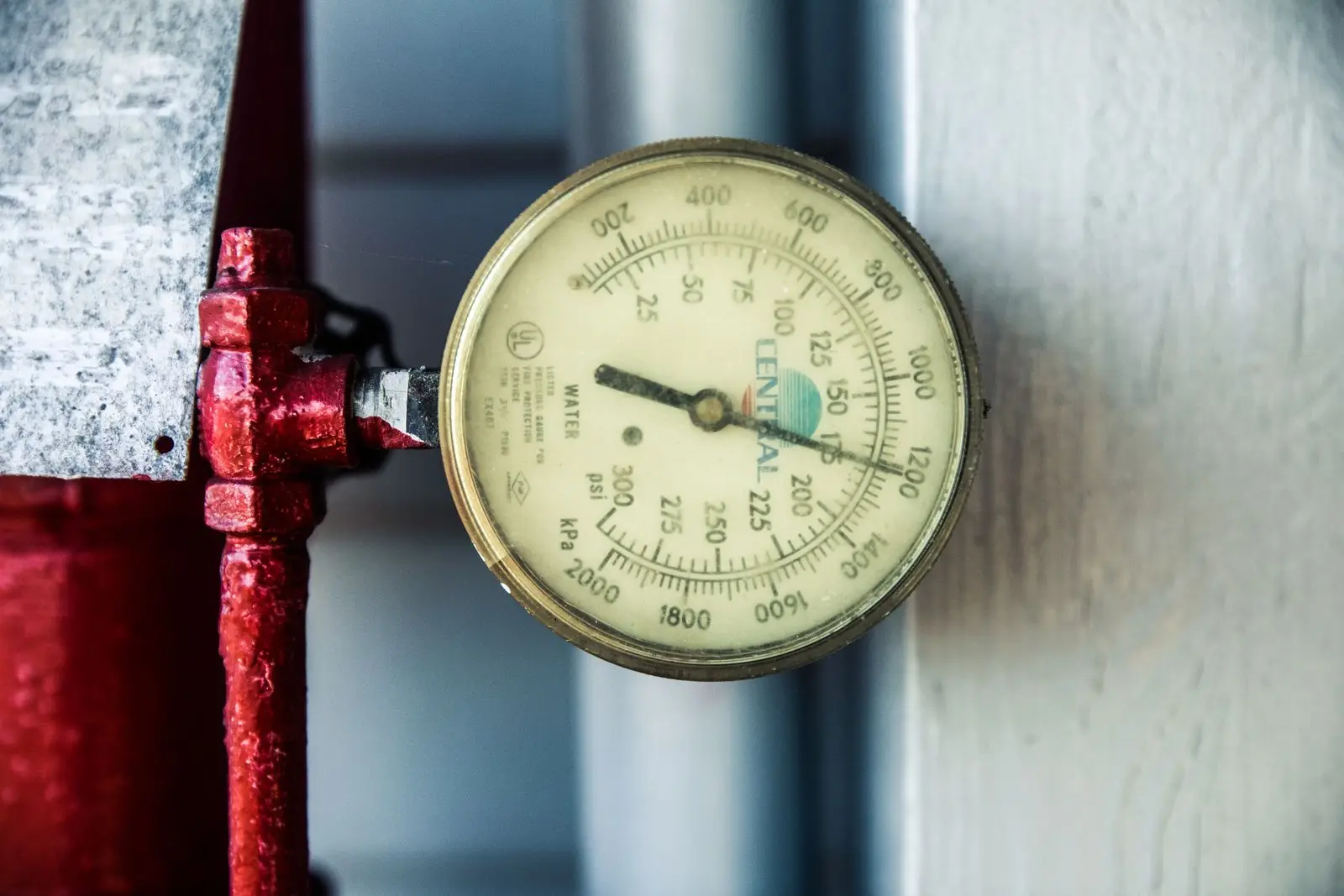
A pressure reducing valve (PRV) near where the main line enters the house lowers city pressure to a safe household level, typically set between 50 and 70 psi. When it fails, pressure climbs and stresses every fixture, supply line and appliance. A plumber tests the pressure, then replaces and sets the valve.
Main Water Line Repair
The main water line (service line) runs from the utility's meter or curb stop to your house, and in most places the homeowner owns that section. When it leaks, you'll often see a wet spot in the yard, low pressure or a spinning meter. A plumber locates the leak, digs or bores to it, and repairs or replaces the line.
Guides
Pressure & Supply FAQ
What water pressure is too high?
Most plumbing codes cap household pressure at 80 psi. A $10 gauge on a hose bib tells you where yours is.
What water pressure should my house have?
Plumbing codes generally cap residential pressure at 80 psi, and many plumbers set it between 50 and 70.
Who owns the water line to my house?
In most places the utility owns the main and the line up to the meter or curb stop, and the homeowner owns the line from there to the house. Rules vary, so check with your water provider.
Other plumbing services
Need pressure & supply help?
Same-day service when a plumber is available. One call connects you with a licensed plumber who serves your ZIP.