Water Heaters
Tankless water heater installation
A tankless water heater heats water on demand instead of storing it. Converting from a tank usually means upsizing the gas line, new venting and isolation valves for descaling. In hard water, a softener or scale inhibitor and yearly flushing are what keep a tankless unit working.
- Same-day service when a plumber is available
- Licensed local plumbers
- Quote before work
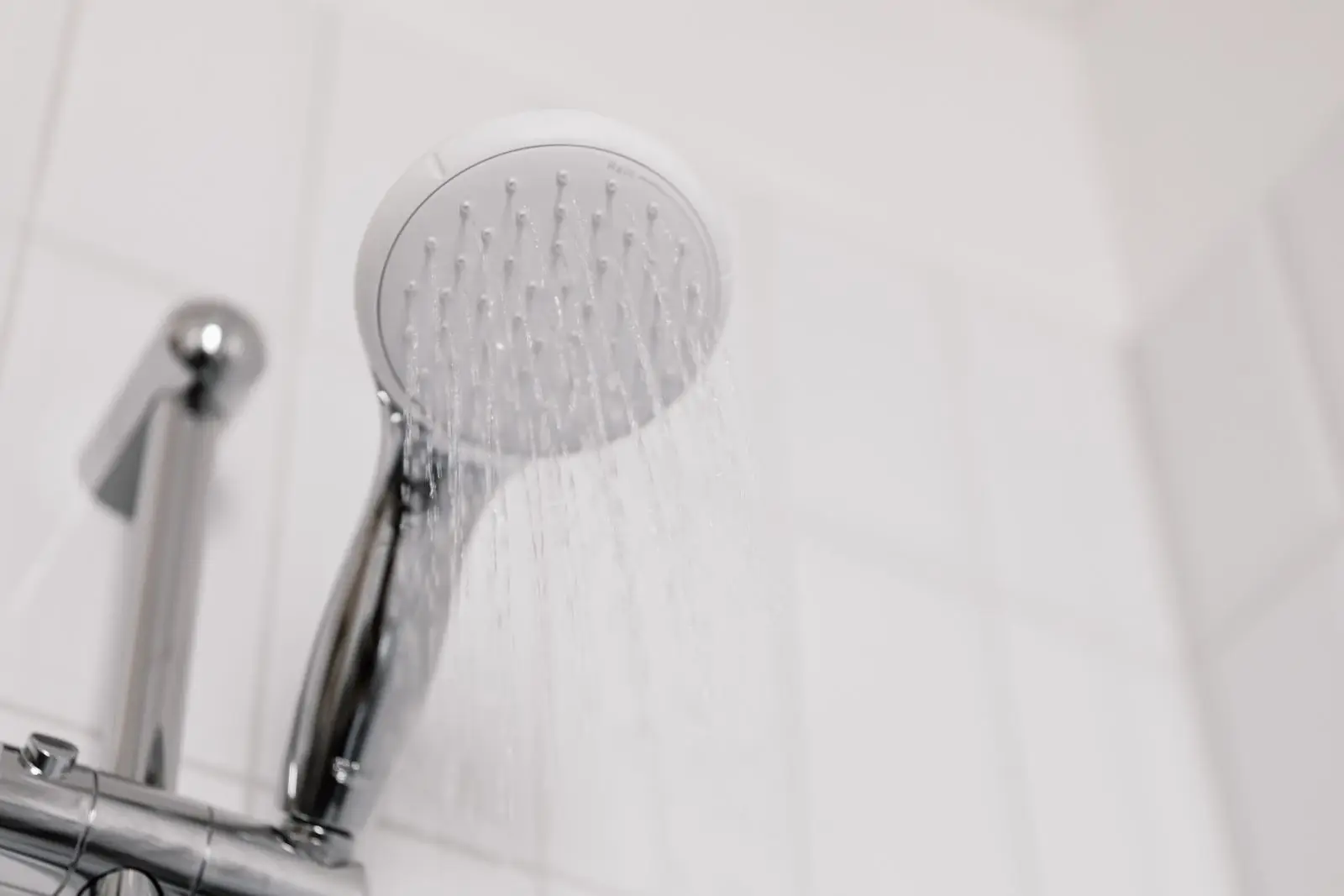
Tankless heaters save space and never run out of hot water, but they're less forgiving of hard water than tanks. Scale builds up in the heat exchanger and triggers error codes.
Gas tankless units need much more gas than a tank. The plumber checks the meter capacity and line sizing before recommending one.
Tankless at a glance
- Key requirement
- Adequate gas supply and line size
- Maintenance
- Yearly descaling in hard water
- Space
- Wall-mounted, indoor or outdoor
Signs you need tankless
- Running out of hot water with a full house
- Wanting garage space back
- A tank heater at the end of its life
- Planning a softener anyway
How the plumber handles it
- 1
Load check
The plumber checks the fixture count, gas meter capacity and line size.
- 2
Plan venting
They route direct venting to clear windows, doors and property lines.
- 3
Install
Unit, isolation (service) valves, gas line upgrade and condensate drain where required.
- 4
Commission
Gas pressure and combustion are checked, and the temperature is set.
What affects the cost
Prices depend on what the plumber finds, so the plumber quotes on site. These are the main factors:
- Gas line upsizing
- Venting route
- Indoor vs. outdoor unit
- Condensing vs. non-condensing
- Adding scale protection
Frequently asked questions
Is tankless worth it with hard water?
It can be, with scale protection and a yearly descaling flush. Without them, heat exchanger problems are common in hard-water areas.
Do tankless heaters work in cold climates?
Yes, but incoming water is much colder in winter, so the unit has to be sized for a bigger temperature rise. Outdoor units need freeze protection, and indoor installs are more common in the North.
Where to get tankless
By state: Alabama, Alaska, Arizona, Arkansas, California, Colorado, Connecticut, Delaware, District of Columbia, Florida, Georgia, Hawaii, Idaho, Illinois, Indiana, Iowa, Kansas, Kentucky, Louisiana, Maine, Maryland, Massachusetts, Michigan, Minnesota, Mississippi, Missouri, Montana, Nebraska, Nevada, New Hampshire, New Jersey, New Mexico, New York, North Carolina, North Dakota, Ohio, Oklahoma, Oregon, Pennsylvania, Rhode Island, South Carolina, South Dakota, Tennessee, Texas, Utah, Vermont, Virginia, Washington, West Virginia, Wisconsin, Wyoming
Related services
Need tankless?
Same-day service when a plumber is available. One call connects you with a licensed plumber who serves your ZIP.