
Repiping
Whole-house repiping
A repipe replaces every water supply line in the house, usually with PEX or copper run through the walls, attic or basement ceiling. It's the permanent fix for failing galvanized pipe, polybutylene, and copper with repeated pinhole or slab leaks.
- Same-day service when a plumber is available
- Licensed local plumbers
- Quote before work
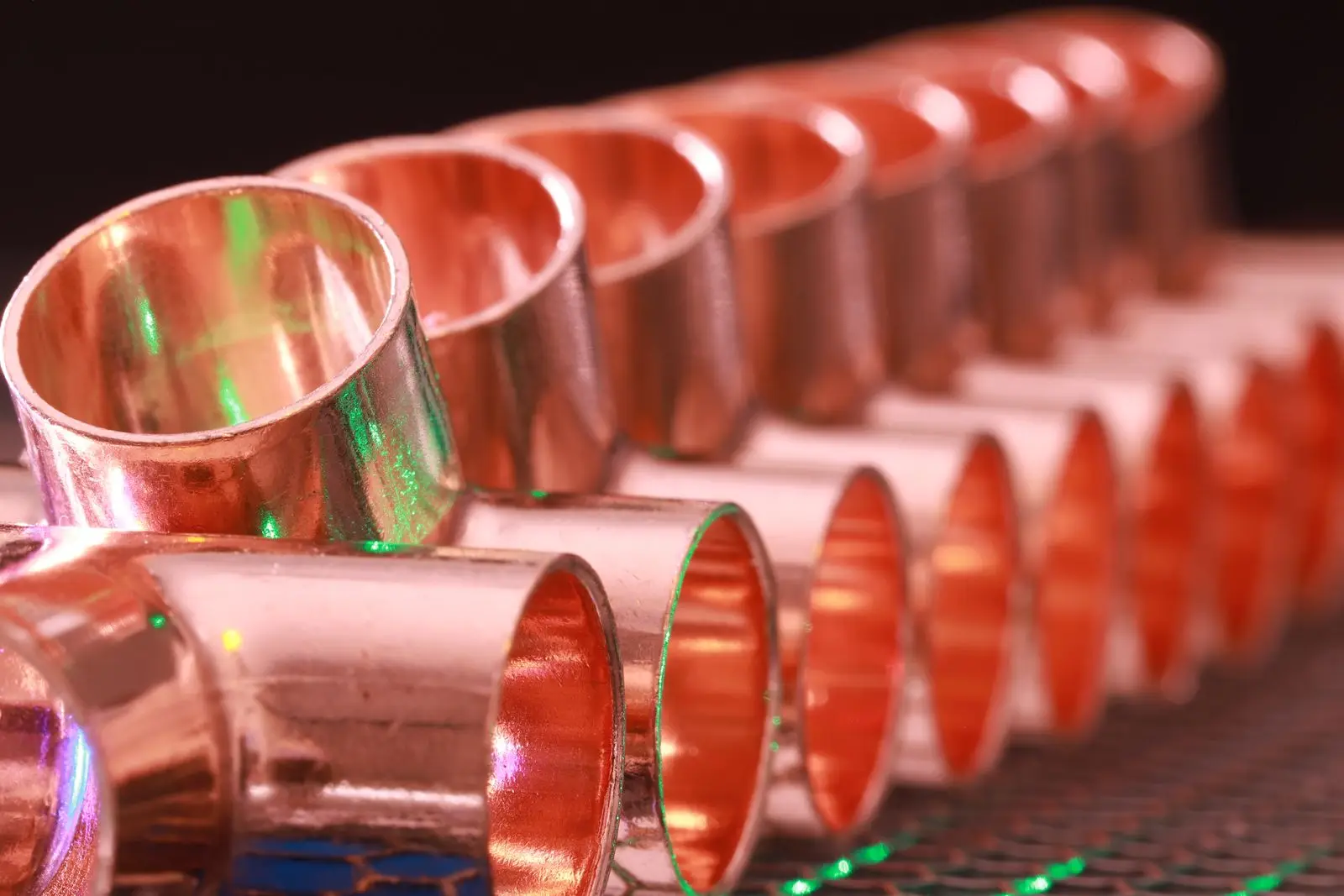
A repipe sounds like a huge project, but most single-family homes are repiped in a few days while the family stays in the house. Water is off during working hours and restored most evenings.
In basement homes, much of the new pipe runs along the basement ceiling with short runs up through walls, so there's less drywall to open. In slab homes the new lines run overhead through the attic, and the old lines in the slab are capped, ending the risk of future slab leaks on those lines.
Repiping at a glance
- Typical length
- A few working days for a single-family home
- Material
- Usually PEX; copper where preferred
- Permit
- Usually required
Signs you need repiping
- Gray polybutylene pipe at the water heater or under sinks
- Two or more slab or pinhole leaks
- Rusty or low-pressure water from galvanized pipe
- A home inspection or insurer flagging the pipe material
How the plumber handles it
- 1
Walkthrough and plan
The plumber maps fixtures and plans attic routes, drops and a manifold or trunk-and-branch layout.
- 2
Permit
Repipes usually need a permit from the city or, in unincorporated areas, the county.
- 3
Install
New PEX lines are run and connected fixture by fixture, and the old lines are capped.
- 4
Test and patch
The system is pressure-tested and inspected. Access holes are patched to the agreed level.
What affects the cost
Prices depend on what the plumber finds, so the plumber quotes on site. These are the main factors:
- Number of bathrooms and fixtures
- Single story vs. two story
- Attic access and clearances
- Drywall patching and texture matching
- Permit and inspection fees
Frequently asked questions
PEX or copper for a repipe?
PEX is the most common choice today: it costs less, has fewer joints, resists scale and tolerates freezing better than rigid pipe. Copper is still a good option and some local codes or buyers prefer it.
Can we live in the house during a repipe?
Usually. Water is off during working hours and restored at night on most days.
How long does a whole-house repipe take?
For an average single-family home with 2 to 3 bathrooms, piping installation typically takes 2 to 4 working days, followed by pressure testing, city inspection, and drywall restoration.
Will repiping eliminate low water pressure?
Yes. In homes with corroded galvanized pipe or undersized lines, installing smooth-bore PEX or copper restores full volume and pressure to every shower and faucet.
How much drywall needs to be cut during a repipe?
Plumbers cut small access holes near fixture drops—behind toilets, under vanities, and near shower valves. Experienced repipe contractors keep cuts minimal and coordinate drywall patching.
Where to get repiping
By state: Alabama, Alaska, Arizona, Arkansas, California, Colorado, Connecticut, Delaware, District of Columbia, Florida, Georgia, Hawaii, Idaho, Illinois, Indiana, Iowa, Kansas, Kentucky, Louisiana, Maine, Maryland, Massachusetts, Michigan, Minnesota, Mississippi, Missouri, Montana, Nebraska, Nevada, New Hampshire, New Jersey, New Mexico, New York, North Carolina, North Dakota, Ohio, Oklahoma, Oregon, Pennsylvania, Rhode Island, South Carolina, South Dakota, Tennessee, Texas, Utah, Vermont, Virginia, Washington, West Virginia, Wisconsin, Wyoming
Related services
Guides
Need repiping?
Same-day service when a plumber is available. One call connects you with a licensed plumber who serves your ZIP.